
Wasabi, Marmite, and the Making of Interwoven
This quilt started the way a lot of mine do—with limitations. I wanted to work from what I already had, not because of a noble minimalist impulse, but because I have plenty of good fabric sitting in my resource center. (Also: ordering more fabric always sounds fun until you’re waiting three weeks for a single shade of blue to restock.)
There was one particular blue I’d bought for a different quilt that never made the cut, and I wanted to finally use it. That decision led me to Wasabi—a sharp yellow-green from the Kona Cotton lineup that I wasn’t totally sure about, but when I laid it next to the blue, something clicked. It didn’t just work. It sang.
Of course, I wasn’t sure I had enough. But by that point, I’d committed emotionally, and the rest of the palette fell into place from there.
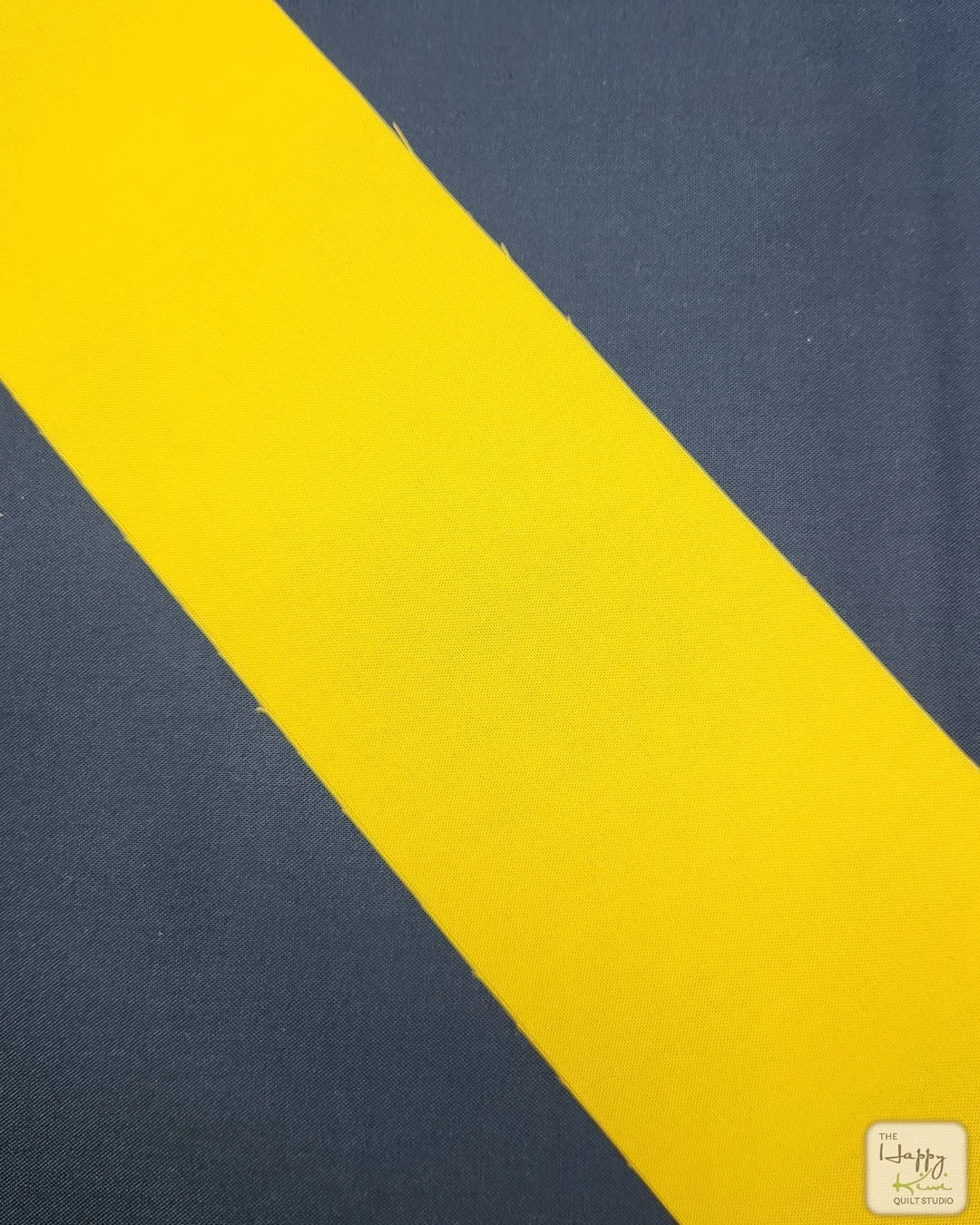
The thing about Wasabi (the fabric, not the sushi garnish) is that it’s a chameleon. In real life, it was brighter than I expected—sharper, bolder, and very willing to take over a quilt if left unchecked.
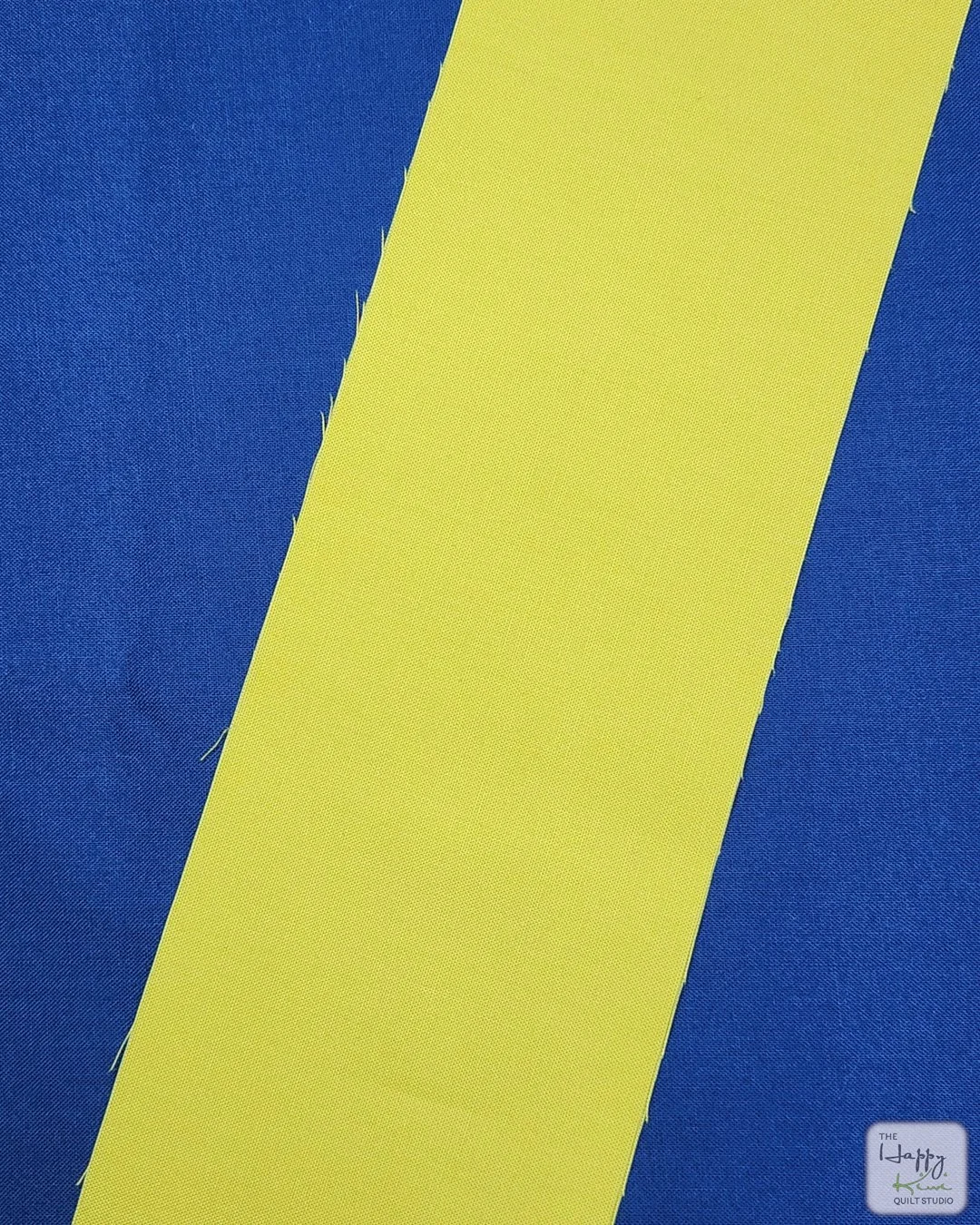
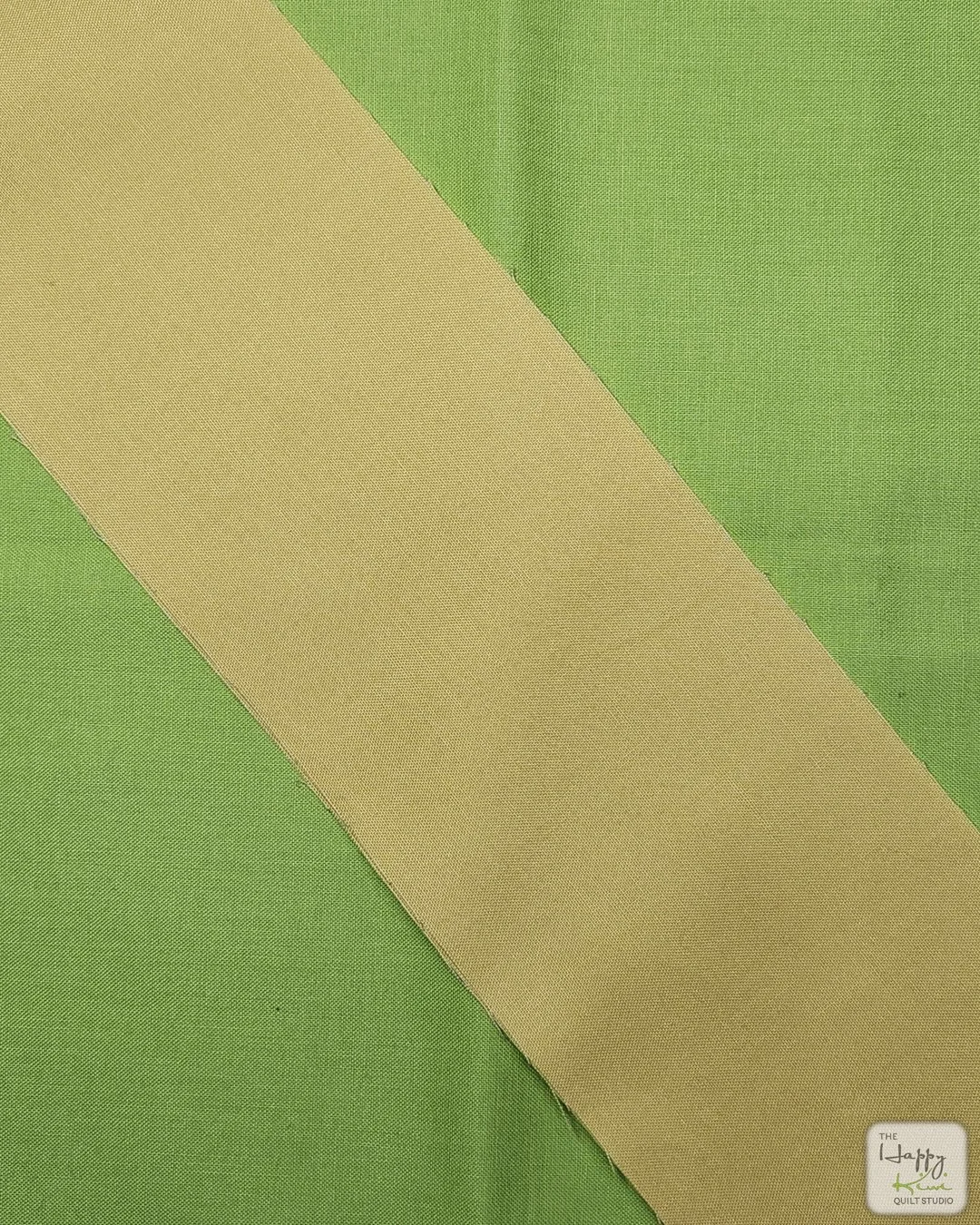
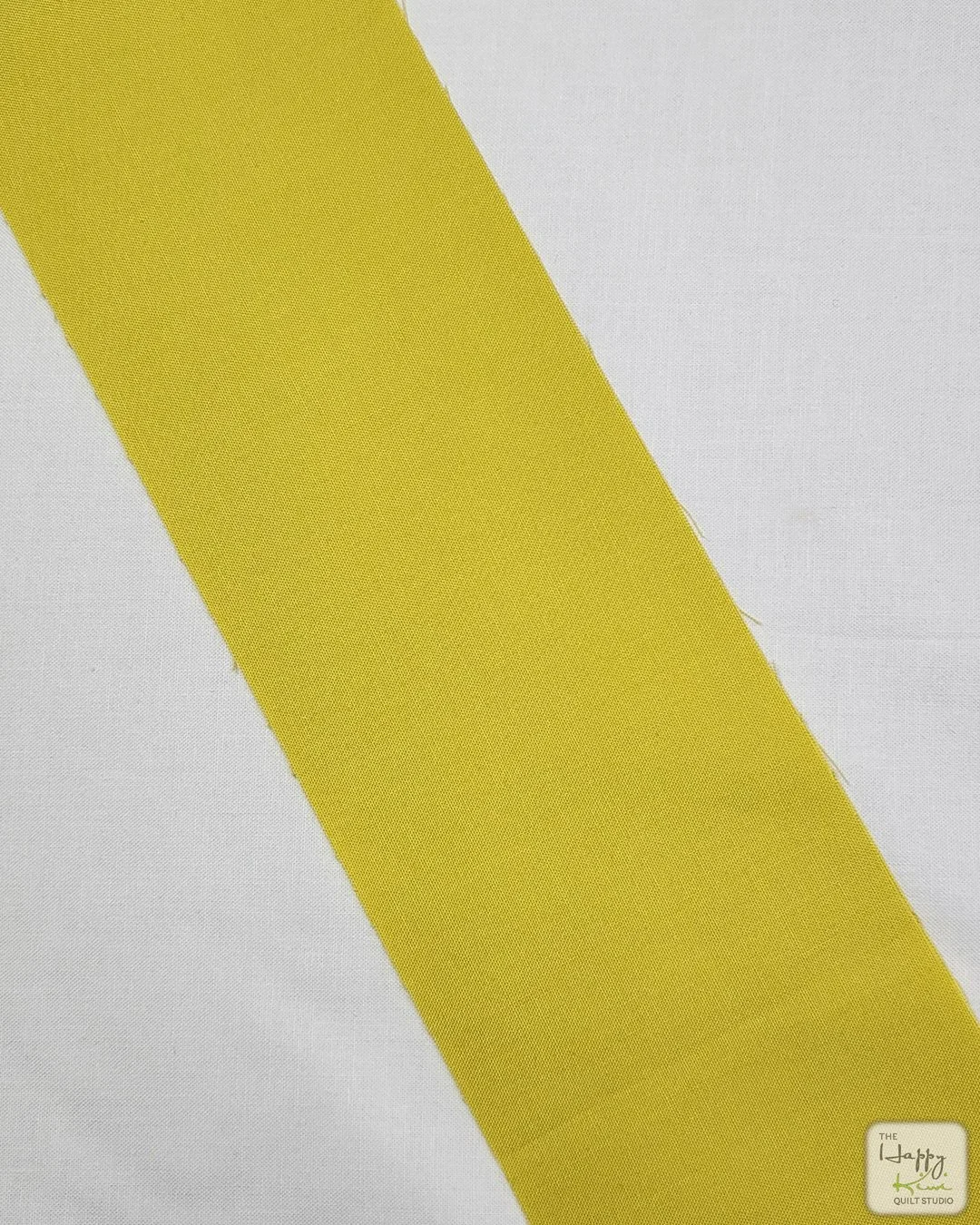
Same fabric. Same lighting. Same camera. Total mood swing.
Here’s the proof:
Depending on what it sat next to, it shifted completely:
– Bright yellow against navy
– Greenish next to a lighter blue
– Classic 70s avocado when paired with chartreuse
– And, weirdly, kind of blah next to white
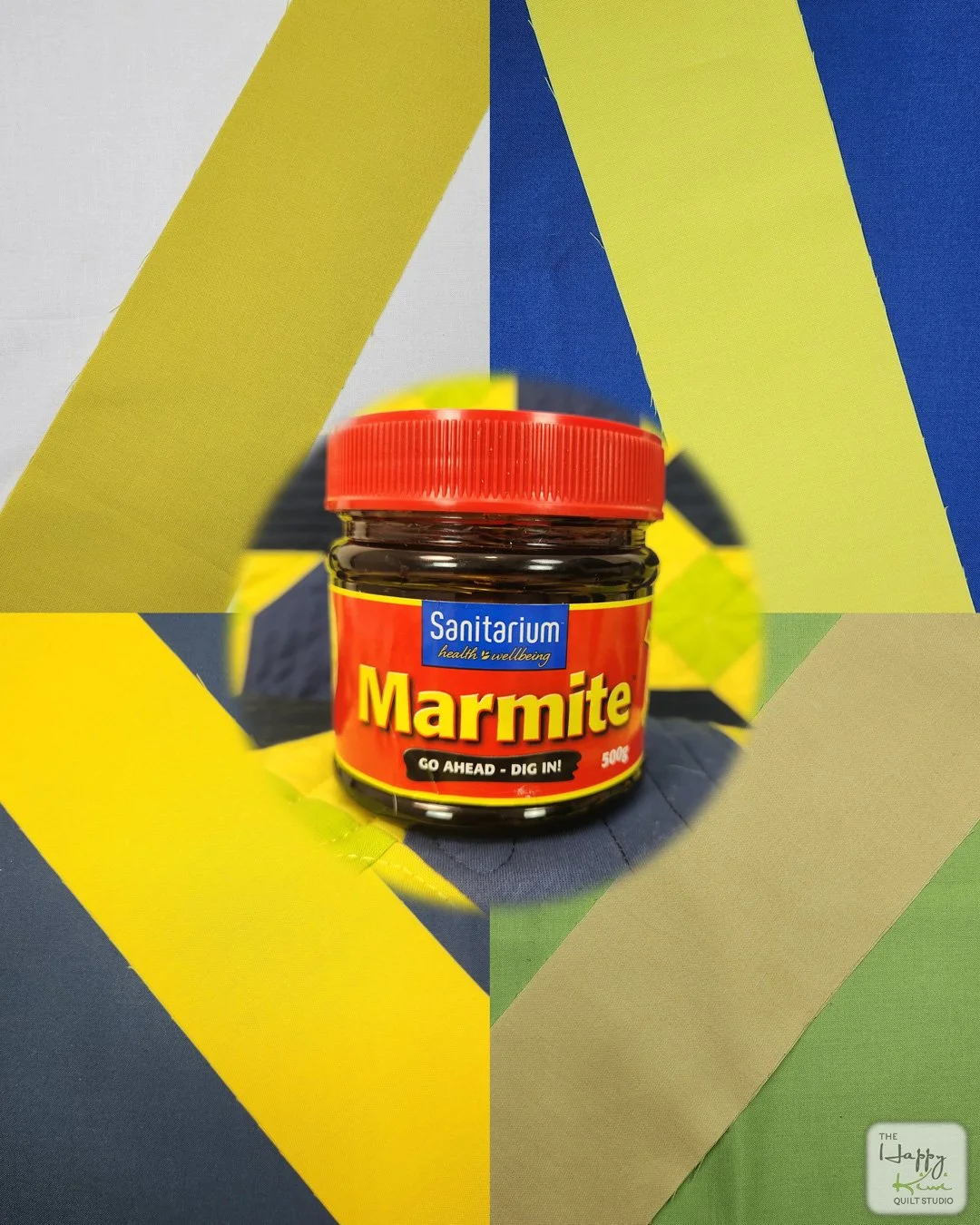
That shape-shifting quality is exactly why I kept it. It’s such a fascinating color.
At some point, this quilt also turned into a Marmite metaphor. Not the flavor (though I do love Marmite), but because Wasabi, like Kiwi Marmite, tends to divide people.
Let’s clarify, because Americans get confused: There’s British Marmite (plentiful but not the same), Aussie Vegemite (strongly different), and then there’s New Zealand Marmite—made by Sanitarium and nearly impossible to find in the U.S. That’s the one I grew up with. That’s the one I love.
And there’s a technique, by the way. Marmite is not peanut butter. You don’t spread it. You scrape it—thinly—over buttery toast, ideally Vogel’s if you know what’s good for you. It’s a very particular ritual that baffles anyone who didn’t grow up with it. But once you’ve got it, it’s magic.
Interwoven is built from a single block, but once assembled, the structure disappears. There’s no block rotation, no tricky placement—just careful seam pressing and a layout that creates the illusion of something far more complex.
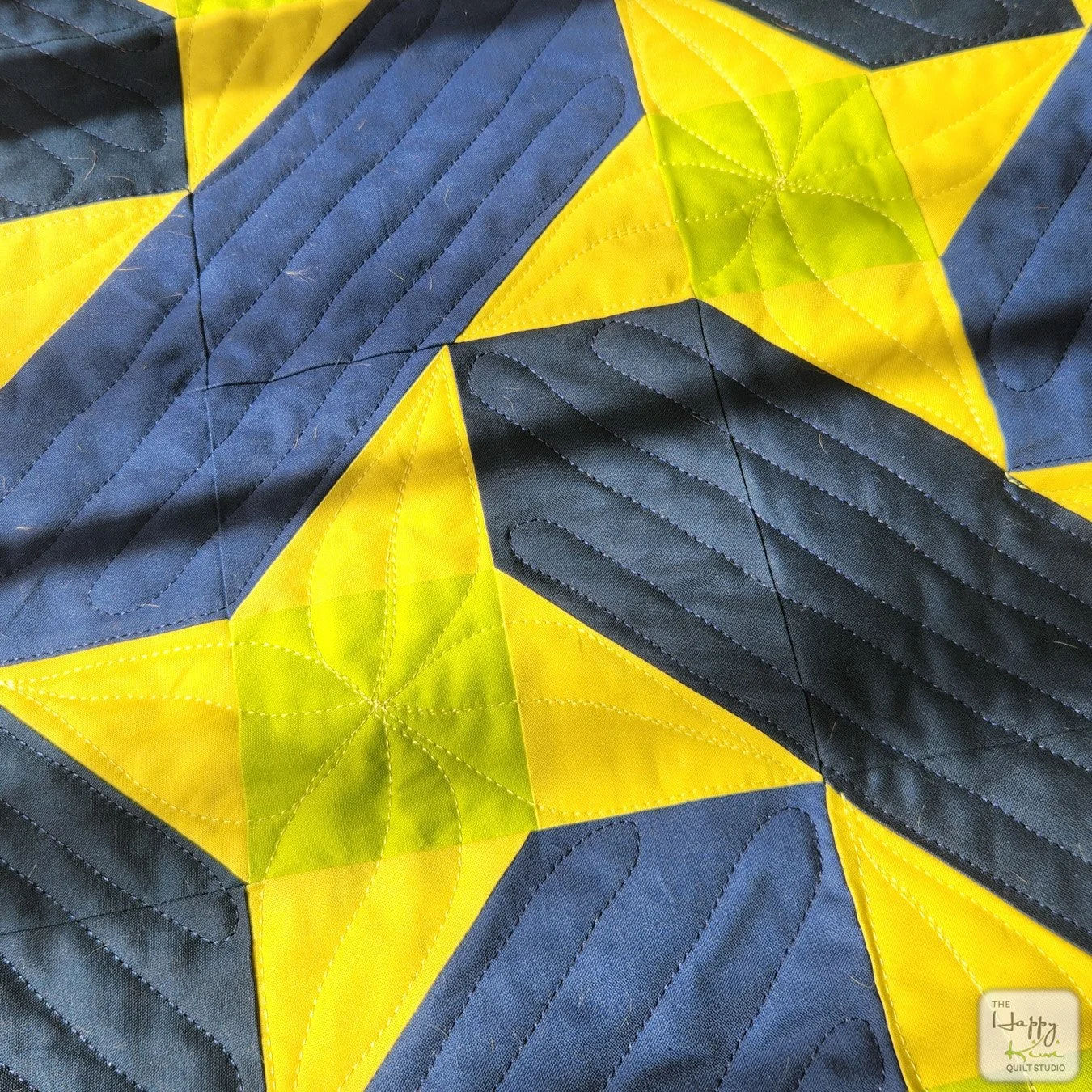
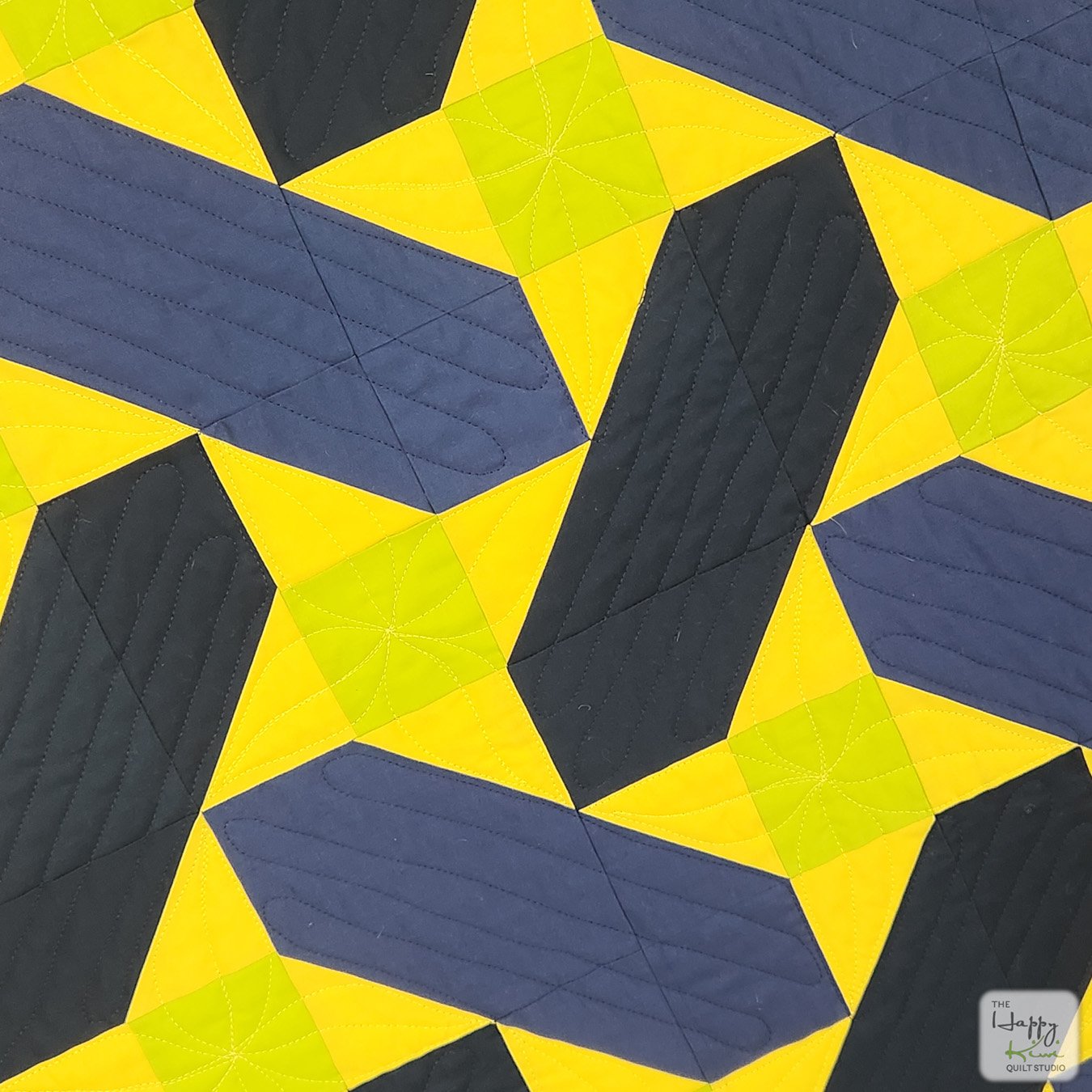
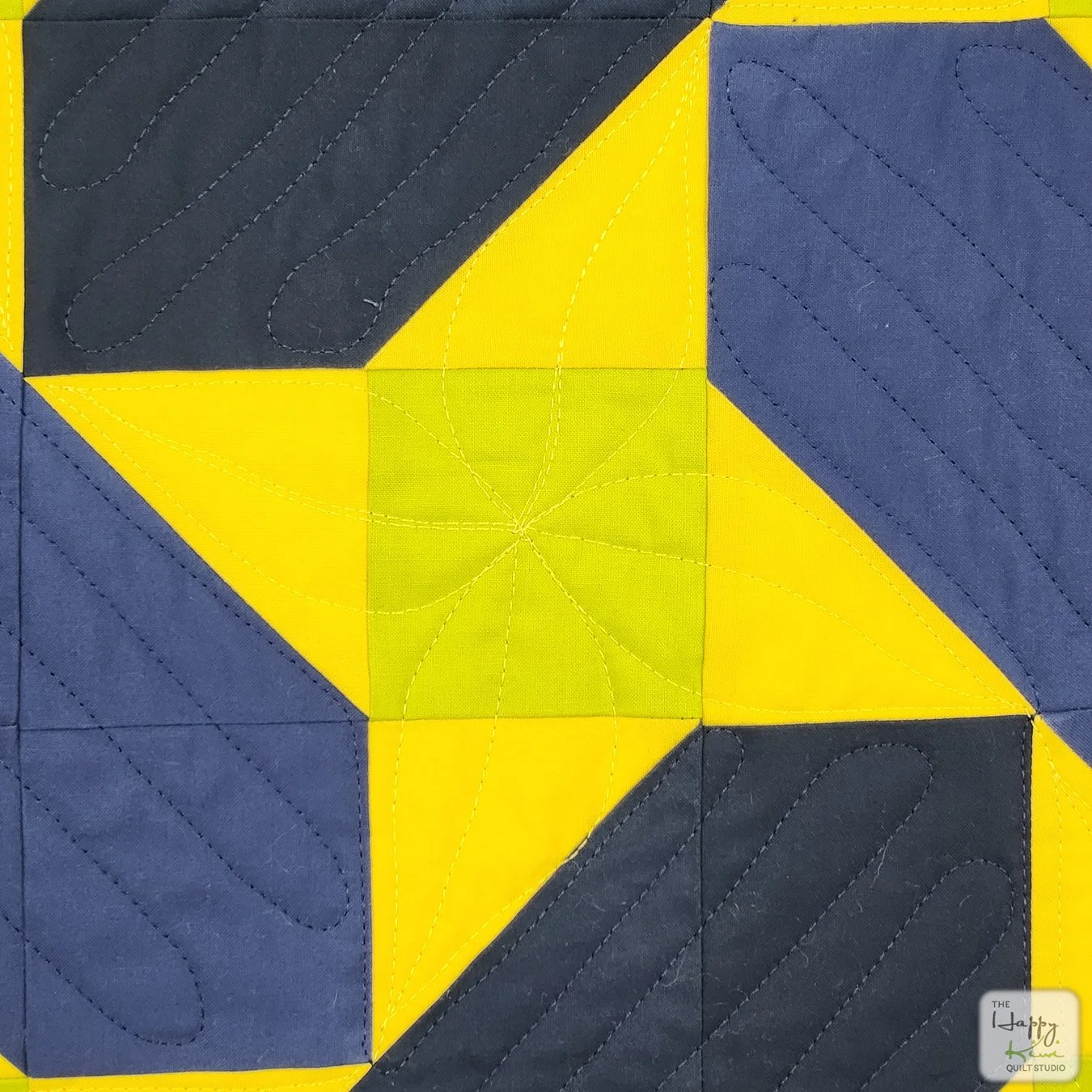
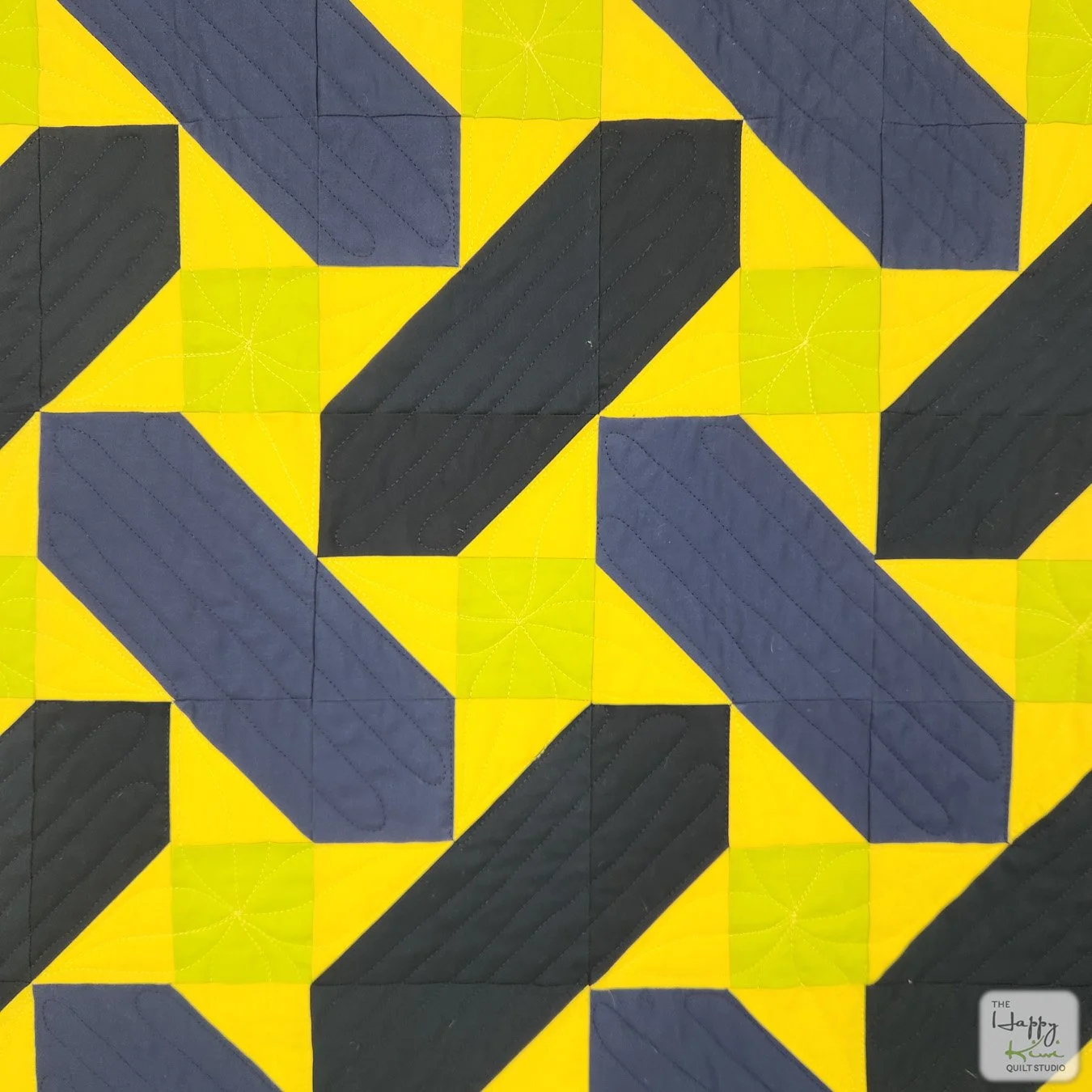
This quilt scratched the part of my brain that loves pressing puzzles. I like when seams nest together perfectly. I like not pinning more than I have to. I like solving the construction challenges so the sewing becomes almost meditative. With this one, spinning seams and a little planning up front made it smooth to assemble.
Mine ended up bold and high-contrast, but it would work just as well in a more muted or restrained palette. The design holds, no matter how you color it.
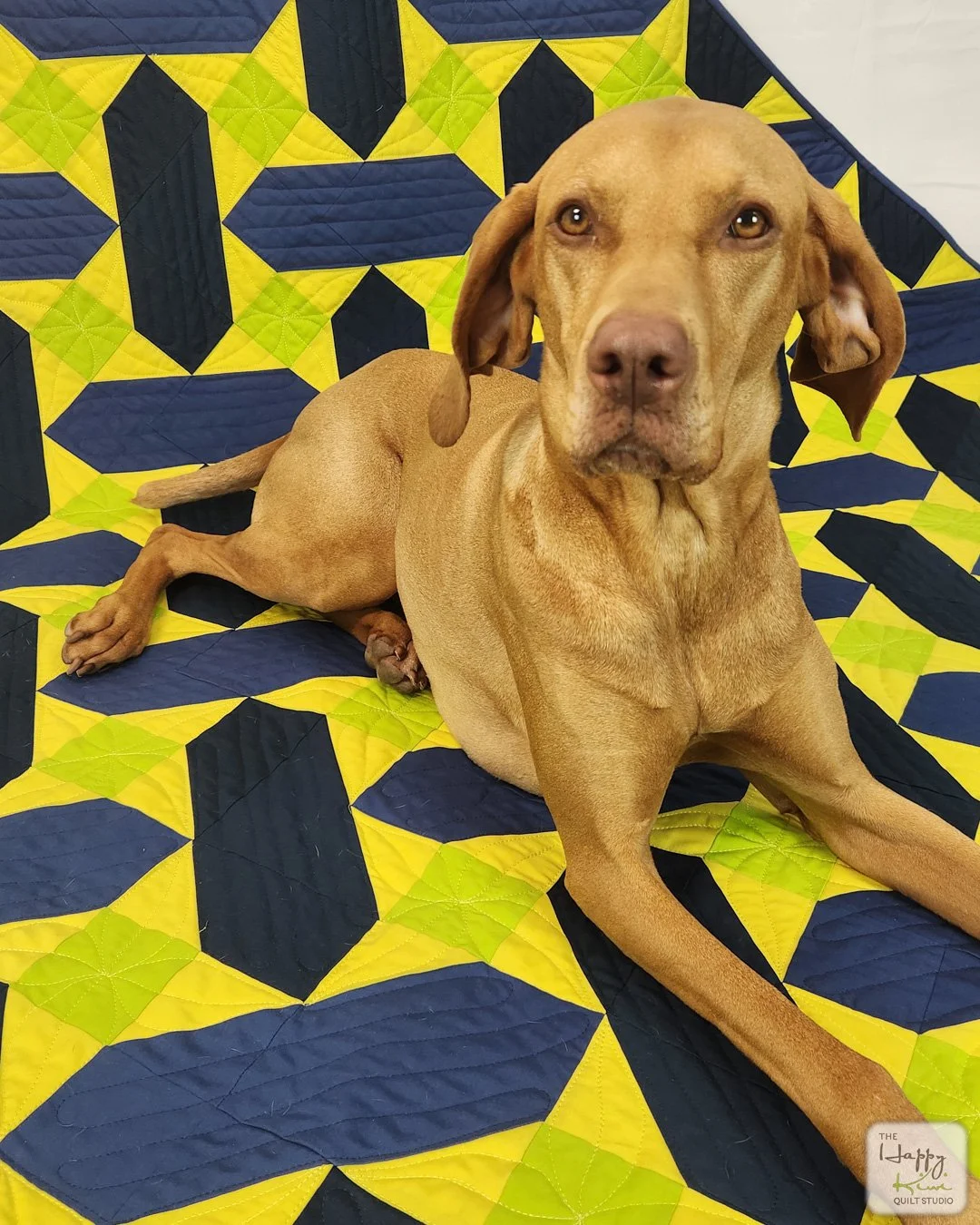
Gracie knows her job. As soon as a quilt hits the floor, she’s there—posing, watching, and absolutely not disinterested (there are cookies involved). Quilt model, scale reference, and very good girl.
